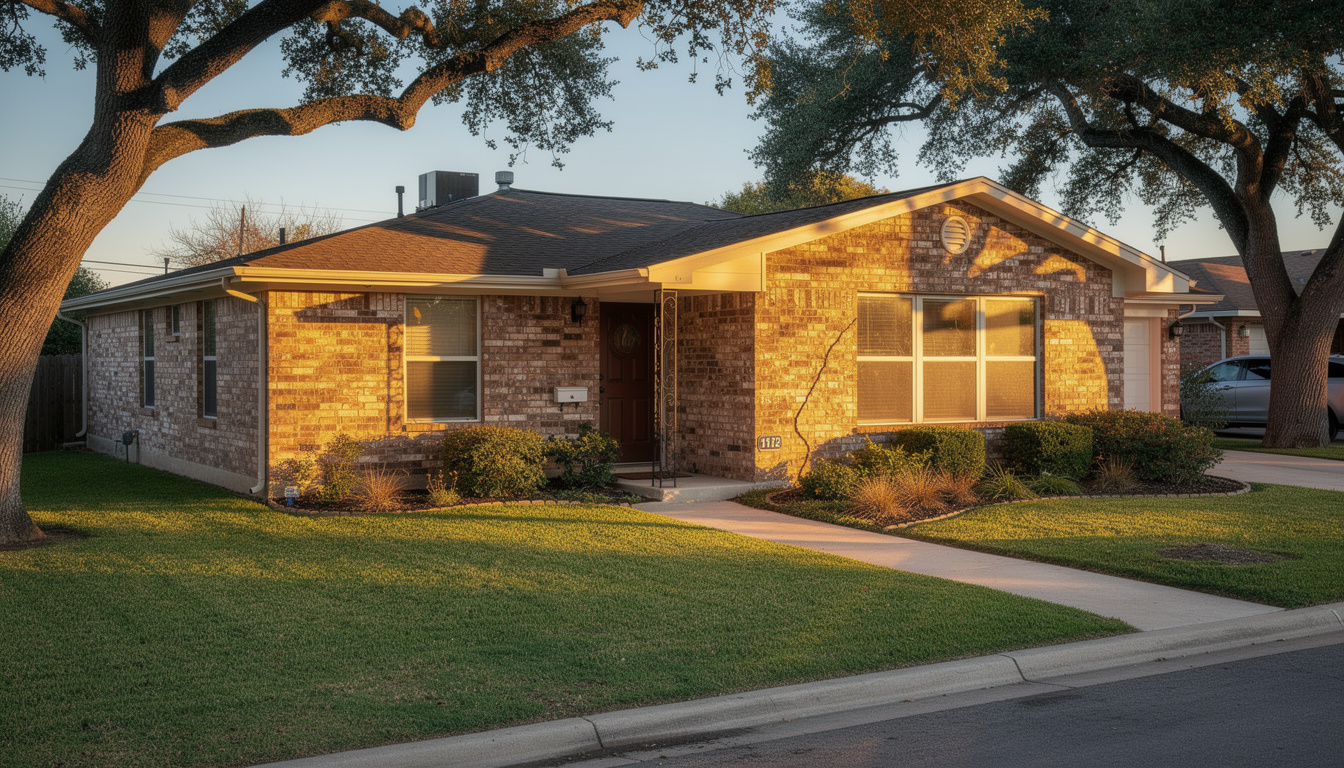
If you're wondering "how do I know if I need crack repair," you're asking the right question—and you're not alone. This is one of the most common concerns we hear from Tyler homeowners, especially those who've noticed water pooling around their foundation after a rainstorm. The short answer: certain types of cracks demand immediate attention, while others may simply need monitoring. Understanding the difference can save you thousands in repair costs and protect your home's structural integrity. For homeowners experiencing foundation issues, Foundation Repair in Tyler, TX starts with properly assessing crack severity and addressing water management problems at their source.
Tyler's combination of heavy seasonal rains and extended drought periods creates a perfect storm for foundation damage. When water collects near your home's base instead of draining away, it saturates the clay soil unevenly, triggering the shrink-swell cycle that causes cracks, settlement, and structural movement. Understanding this connection between surface water and foundation health is the first step toward protecting your home.
How Do I Know If I Need Crack Repair? Key Warning Signs
Not all foundation cracks are created equal. Learning to identify which cracks require professional repair helps you act quickly when it matters most. Here's how to evaluate cracks on your property:
Cracks that typically need repair:
- Horizontal cracks—these indicate serious lateral pressure and always require professional evaluation
- Stair-step cracks in brick or block foundations
- Cracks wider than 1/4 inch or growing over time
- Cracks accompanied by bowing or bulging walls
- Cracks that allow water infiltration into your home
- Multiple cracks appearing simultaneously
Cracks that may only need monitoring:
- Hairline vertical cracks (less than 1/8 inch) that remain stable
- Small shrinkage cracks in new concrete
- Minor surface cracks without displacement
When asking "how do I know if I need crack repair," the presence of water pooling around your foundation often provides the answer. Persistent moisture problems accelerate crack development and turn minor issues into major structural concerns.
Why Does Water Pool Around Foundations in Tyler?
Several factors contribute to water accumulating near your foundation, and many are specific to Tyler's geography and building conditions. Understanding the root cause helps determine whether crack repair will be needed.
Improper grading is the most common culprit. Your yard should slope away from your foundation at a rate of about six inches over the first ten feet. Over time, soil settles, landscaping changes, and that critical slope can reverse—directing water toward your home instead of away from it.
Clogged or missing gutters concentrate roof runoff in the worst possible locations. A single downspout can discharge over 1,000 gallons of water during a heavy Tyler thunderstorm. Without proper extensions and drainage, that water dumps directly at your foundation's edge.
Tyler's expansive clay soil compounds the problem. Unlike sandy or loamy soils that absorb and drain water efficiently, our clay-heavy soil holds moisture near the surface. During our intense summer heat, that same soil dries and shrinks dramatically, pulling away from foundation walls and creating gaps where future water intrusion occurs.
Poor landscape design also contributes. Flower beds that trap moisture, mulch piled against foundation walls, and irrigation systems that spray toward the house all add unwanted water where it does the most damage.
Signs That Water Pooling Has Already Damaged Your Foundation
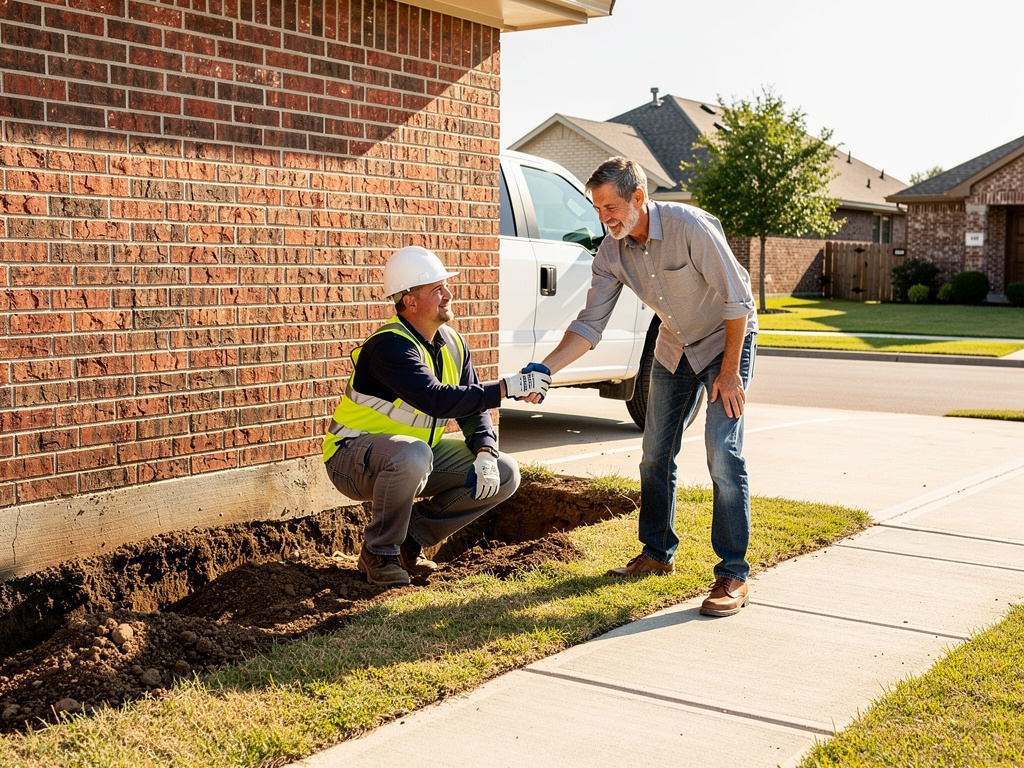
Not every puddle signals immediate foundation failure, but certain warning signs indicate that water accumulation has already begun affecting your home's structural integrity. Look for these indicators inside and outside your home:
Exterior warning signs:
- Visible erosion channels where water flows toward the foundation
- Staining or mineral deposits on foundation walls
- Cracks in exposed concrete—especially stair-step patterns in brick
- Gaps forming between the foundation and surrounding soil
- Mold or mildew growth on lower exterior walls
Interior warning signs:
- Musty odors in lower levels or near exterior walls
- Doors and windows that suddenly stick or won't close properly
- New cracks appearing in drywall, especially around door frames
- Uneven or sloping floors
- Baseboards pulling away from walls
According to Foundation Repair Association guidelines, addressing water management issues early can prevent up to 90% of foundation problems. The damage compounds over time—what starts as minor settling can progress to significant structural failure if water continues saturating the soil unevenly.
How Do Drainage Solutions Actually Protect Your Foundation?
Effective foundation protection requires controlling water before it reaches your home and managing any water that does accumulate. Professional Drainage Solutions in Tyler address both concerns through a systematic approach.
Surface drainage improvements redirect water away from your foundation through regrading, French drains, and channel drains. These systems create a controlled path for water to follow, preventing the random pooling that causes uneven soil saturation.
Downspout extensions and underground drainage move roof runoff far from your foundation—typically at least 10 feet away. Professional installations often connect to buried PVC systems that discharge water at the edge of your property or into municipal storm drains.
Gutter system optimization ensures your roof drainage operates efficiently. This includes proper sizing, adequate downspout placement, and regular maintenance schedules to prevent clogs.
Soil moisture management addresses Tyler's specific clay soil challenges. This may include soaker hose programs during drought periods to maintain consistent moisture levels and prevent the dramatic shrinkage that creates foundation movement.
The installation process typically takes one to three days depending on the scope of work required. Most Tyler homeowners see immediate improvement in water management, though full soil stabilization may take several seasonal cycles to complete.
Why Choose a Local Foundation Repair Expert in Tyler?
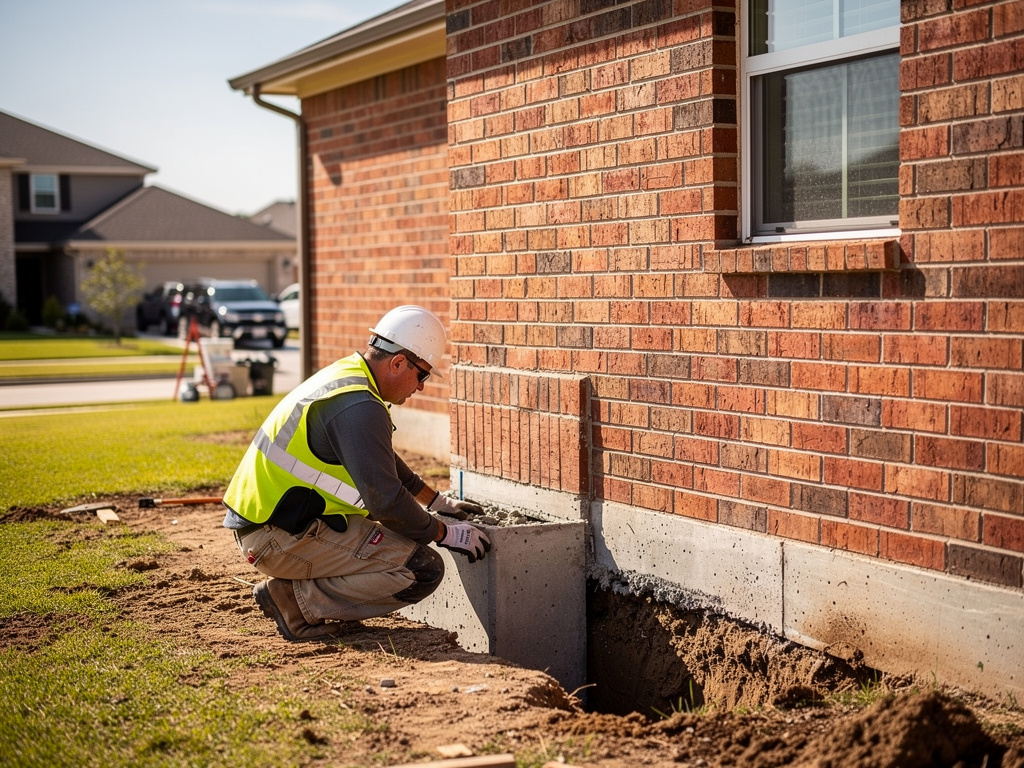
Foundation problems don't follow a one-size-fits-all pattern. What works in sandy coastal soils won't address Tyler's expansive clay challenges. Local experts understand the specific soil conditions, drainage patterns, and construction methods common in our area.
With years of experience serving Tyler homeowners, our team has seen how this region's soil behaves through drought and deluge. We've developed proven approaches that account for our heavy spring rains, extreme summer heat, and the dramatic soil movement these conditions create.
Local knowledge also means understanding which neighborhoods have particular drainage challenges, which era of construction used which foundation methods, and how Tyler's building practices have evolved over decades. This expertise translates directly into more accurate diagnoses and more effective solutions.
We stand behind our work with warranty protection because we're confident in our methods—and because we'll still be here in this community years from now to honor those commitments.
Frequently Asked Questions About Foundation Crack Repair in Tyler
How do I know if I need crack repair for my foundation?
You likely need crack repair if you notice horizontal cracks, stair-step patterns in brick, cracks wider than 1/4 inch, or any cracks that are actively growing or allowing water into your home. Additional signs include doors and windows that stick, uneven floors, or gaps between walls and ceilings. Minor hairline cracks that remain stable may only need monitoring, but any crack accompanied by water pooling around your foundation should be professionally evaluated. Our Tyler team provides free assessments to help you determine exactly what type of repair—if any—your foundation needs.
Is water pooling around my foundation a problem?
Yes, standing water near your foundation is always a concern in Tyler. Our expansive clay soil absorbs that moisture and expands, then shrinks dramatically during dry periods. This repeated cycle creates uneven pressure against your foundation, leading to cracks, settlement, and structural movement that worsens over time without intervention.
How quickly does water damage affect foundations in Tyler?
Damage can begin within weeks of consistent water pooling, though visible signs may take months to appear. Tyler's clay soil responds rapidly to moisture changes—a single season of poor drainage can create measurable foundation movement. The longer water management issues persist, the more extensive and expensive repairs become.
Can I fix foundation drainage problems myself?
Minor improvements like extending downspouts or adjusting sprinkler heads are reasonable DIY projects. However, regrading, installing French drains, or addressing significant drainage failures requires professional equipment and expertise. Improper drainage work can actually redirect water toward your foundation or create new pooling areas elsewhere.
What does professional drainage assessment include?
A thorough evaluation examines your property's grading, gutter system, soil conditions, and any existing foundation damage. We identify where water enters, where it accumulates, and what solutions will address your specific situation. This assessment typically takes about an hour and includes detailed recommendations and cost estimates.
Will drainage solutions prevent future foundation repairs?
Proper drainage is the single most effective preventive measure for foundation health in Tyler. While no system eliminates all risk, controlling water dramatically reduces the soil movement that causes most foundation problems. Many homeowners see existing minor cracks stabilize once consistent drainage eliminates the wet-dry cycling beneath their homes.
Don't let foundation cracks or water pooling around your foundation progress from a warning sign to a structural emergency. If you're still asking "how do I know if I need crack repair," the best answer is a professional evaluation. Tyler's soil conditions demand proactive water management to protect your home's stability and value. Contact Tyler Foundation Experts today for a professional foundation and drainage assessment. Our team will identify exactly what's causing problems on your property and recommend targeted solutions that address the issue at its source—before foundation damage requires more extensive repairs.