Recognizing the signs you need foundation leveling early can save Tyler homeowners thousands in repair costs. If you've noticed your basement wall leaning inward or developing horizontal cracks, you're facing one of the most serious foundation issues a homeowner can encounter. Bowing basement walls signal that tremendous pressure is pushing against your foundation, and without intervention, the problem will only worsen. Tyler's unique soil conditions make this issue particularly common in our area, but understanding the causes and solutions can help you protect your home and your investment.
As local experts serving East Texas for years, we've helped hundreds of homeowners address wall instability before it becomes catastrophic. If you're concerned about your foundation, understanding the warning signs is your first step toward Foundation Repair in Tyler, TX.
Signs You Need Foundation Leveling in Tyler
Many homeowners wonder how to tell when their foundation requires professional attention. The signs you need foundation leveling often develop gradually, making them easy to overlook until they become severe. Here are the key indicators that your Tyler home may need foundation leveling services:
- Bowing or leaning basement walls: One of the clearest signs you need foundation leveling is when walls begin to curve inward or tilt
- Uneven or sloping floors: If floors feel uneven when walking or furniture doesn't sit level, your foundation may have shifted
- Doors and windows that stick: Foundation movement causes frames to shift out of square, making doors and windows difficult to operate
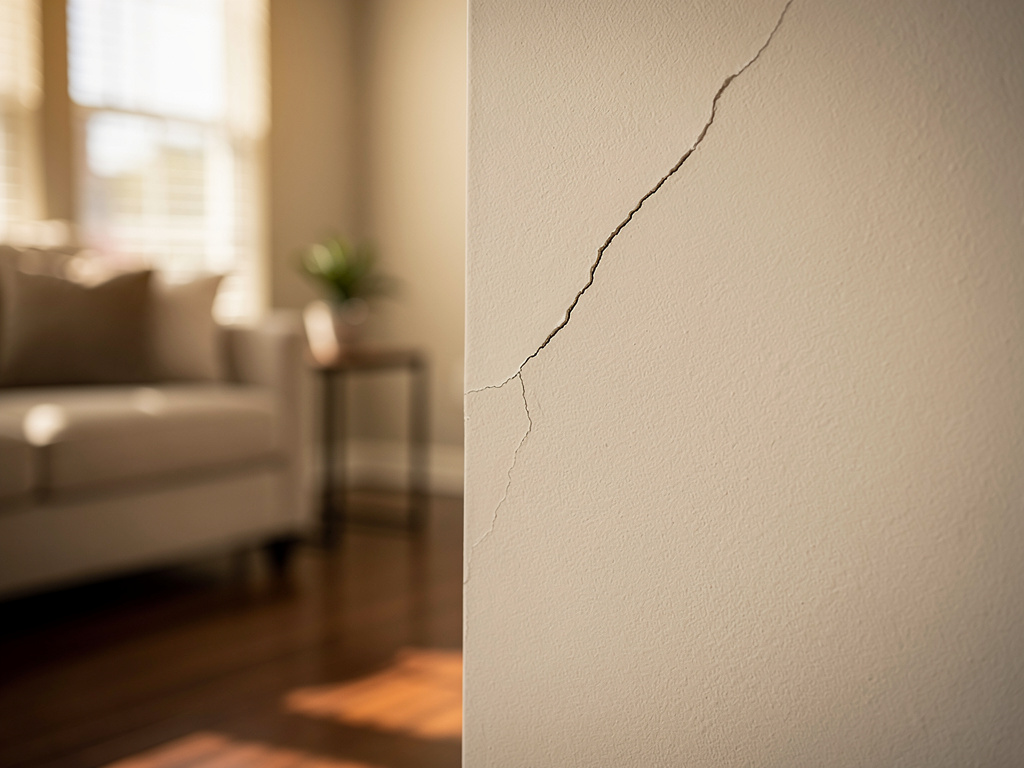
- Cracks in walls, ceilings, or floors: Horizontal, vertical, or stair-step cracks indicate foundation stress
- Gaps between walls and ceiling or floor: Separation at these junctions signals significant foundation movement
- Chimney leaning or separating: A tilting chimney often indicates foundation settlement on that side of the home
Bowing basement walls are among the most serious signs you need foundation leveling because they indicate active soil pressure that will continue causing damage without intervention.
What Causes Bowing Basement Walls in Tyler Homes?
Bowing basement walls don't happen overnight. The process typically takes months or years, driven by external forces that overwhelm your foundation's structural capacity. In Tyler, the primary culprit is our expansive clay soil.
Expansive clay shrink-swell cycles create enormous lateral pressure against basement walls. During heavy rains, clay soil absorbs water and expands dramatically. This expansion pushes against your foundation walls with thousands of pounds of force per square foot. When drought conditions return—and Tyler summers bring extreme heat and soil desiccation—the clay shrinks away from the wall, only to expand again with the next rain cycle.
This repeated wet/dry cycling weakens the wall over time. Each cycle may only cause millimeters of movement, but over years, that movement compounds into visible bowing or leaning.
Other contributing factors include:
- Poor drainage around the foundation: Water pooling near basement walls saturates soil and increases hydrostatic pressure
- Tree roots: Large trees near foundations can both extract moisture (causing shrinkage) and physically push against walls
- Improper backfill: If builders used expansive clay as backfill during construction, walls face increased pressure
- Heavy rain events: Tyler's periodic heavy rainfall can rapidly saturate soil and spike lateral pressure
According to Foundation Repair Association guidelines, walls that bow more than two inches require immediate professional evaluation to prevent potential collapse.
How Do You Identify Bowing Basement Walls?
Recognizing the early warning signs of wall failure gives you more repair options and typically results in lower costs. Here's what to look for during your inspection:
Horizontal cracks are the most telling sign. When basement walls bow, they crack horizontally along mortar joints in block walls or in straight lines across poured concrete. These cracks typically appear at the wall's midpoint, where bending stress is greatest.
Stair-step cracks in block walls indicate differential movement and often accompany bowing. These follow the mortar joints in a diagonal pattern.
Visual leaning becomes apparent in advanced cases. Stand at the corner of your basement and look along the wall. A healthy wall should appear perfectly straight. Any inward curve or lean warrants immediate attention.
Water infiltration often accompanies bowing walls. As cracks develop and seals break, groundwater finds pathways into your basement. Wet spots, efflorescence (white mineral deposits), or musty odors signal moisture intrusion.
Gaps at the top or bottom of walls indicate the wall is rotating. You might notice daylight at the sill plate or gaps between the wall and floor.
If you're seeing any of these signs, professional Crack Repair in Tyler may be needed alongside structural stabilization to restore your wall's integrity.
How Do Foundation Experts Repair Bowing Walls?
Repairing bowing basement walls requires addressing both the symptom (the bowed wall) and the cause (soil pressure). Modern repair techniques can stabilize walls and, in many cases, gradually straighten them over time.
Step 1: Professional Assessment
A qualified foundation specialist will measure the degree of bow, identify crack patterns, evaluate soil conditions, and determine the underlying cause. This assessment guides the repair strategy.
Step 2: Wall Stabilization
The most common stabilization methods include:
- Carbon fiber straps: For walls with minor bowing (under two inches), high-strength carbon fiber straps bonded to the wall prevent further movement
- Steel I-beams: Vertical steel beams anchored to the floor and ceiling provide structural support for moderately bowed walls
- Wall anchors: Steel plates installed inside connect via rods to anchors buried in stable soil beyond the foundation, counteracting lateral pressure
- Helical tiebacks: Similar to wall anchors but use helical plates screwed into soil for enhanced holding power in Tyler's clay
Step 3: Addressing Root Causes
Stabilization alone won't prevent future problems if drainage issues persist. Experts typically recommend improved gutter systems, grading corrections, or French drains to redirect water away from the foundation.
Step 4: Crack Sealing
Once walls are stabilized, cracks are sealed with specialized materials that remain flexible through soil movement cycles, preventing water infiltration.
Why Choose a Local Foundation Repair Expert in Tyler?
Foundation repair isn't a one-size-fits-all service. Tyler's specific soil composition—predominantly expansive clay—requires repair approaches tailored to our region's challenges. A company unfamiliar with East Texas conditions might recommend solutions that work elsewhere but fail here.
Local experts understand that Tyler's drought-driven soil shrinkage and settlement creates unique stress patterns. We know that heavy rain following extended dry periods creates the most dangerous conditions for basement walls. This knowledge informs every assessment and repair recommendation.
Warranty protection matters significantly for foundation work. Reputable local companies stand behind their repairs because their reputation depends on long-term results in this community. When you hire a local team, you're hiring neighbors who will be here for years to honor their commitments.
Additionally, local foundation specialists can respond quickly when you notice sudden changes. If a wall begins moving more rapidly—sometimes triggered by unusual weather patterns—fast intervention can prevent catastrophic failure.
Frequently Asked Questions About Bowing Basement Walls in Tyler
How much wall bowing is considered dangerous?
Most foundation engineers consider any bow exceeding two inches to be serious and requiring immediate stabilization. Walls bowing beyond four inches may be at risk of collapse and often require more aggressive repair methods or partial reconstruction. Even minor bowing under one inch should be monitored and addressed before it progresses further.
Can bowing basement walls be straightened completely?
In many cases, yes. Wall anchor systems and helical tiebacks can be gradually tightened over time, using the natural soil expansion cycles to help push walls back toward their original position. However, severely bowed walls may only be stabilized rather than fully straightened, and some cosmetic evidence of previous movement may remain.
How long does bowing wall repair take?
Most stabilization projects are completed within one to three days, depending on the repair method and wall length. Carbon fiber strap installation is typically the fastest option, while wall anchor systems require more excavation time. Your foundation specialist will provide a specific timeline based on your wall's condition and the chosen repair approach.
Will my homeowner's insurance cover bowing wall repair?
Standard homeowner's insurance typically excludes foundation damage caused by soil movement, settling, or poor drainage. However, if the damage resulted from a covered peril like sudden plumbing failure, partial coverage may apply. Contact your insurance provider with documentation from your foundation assessment to explore potential coverage options.
Does Tyler's climate make bowing walls more common?
Yes. Tyler's combination of expansive clay soil, extreme summer heat causing soil desiccation, and periodic heavy rainfall creates ideal conditions for lateral soil pressure against basement walls. The dramatic wet/dry cycling exerts repeated stress that can overwhelm walls over time, making regular foundation inspections especially important for Tyler homeowners.
Protect Your Tyler Home Today
Bowing basement walls represent a serious structural concern that demands professional attention. Now that you know the signs you need foundation leveling, don't ignore these warning signals. The longer you wait, the more extensive—and expensive—repairs become. If